





Whether you want to throw a bowl, model a sculpture, or make tableware, choosing the right clay is an essential step. Each clay has its own characteristics: some are particularly easy to work with, others offer excellent strength after firing, and some allow for very refined finishes. Understanding the differences between earthenware, stoneware, porcelain, and grogged clays will help you select the material best suited to your project and skill level.
In this article, we present the main types of clay used in ceramics, their specific characteristics, their uses, and the criteria to consider when choosing the clay that will best meet your needs.
Why are there different types of clay?
All clays come from natural minerals, but their composition varies depending on their geological origin. This difference in composition directly affects how they behave during shaping, drying, and firing. Some clays are very plastic and easy to model, while others withstand high temperatures better or experience greater shrinkage.
The choice of clay therefore depends on several criteria: the technique used (throwing or modeling), the maximum temperature of your kiln, the desired aesthetic result, and the final use of the piece. A plate intended for everyday use will have different requirements from a decorative sculpture, and a clay suited for throwing will not necessarily be the easiest to use for modeling.
It is also important to consider the intended firing method. Low-temperature clays, such as earthenware, do not have the same properties as high-temperature clays such as stoneware or porcelain. Choosing a clay compatible with your kiln and glazes is essential to achieve lasting results.
Earthenware: an ideal clay for beginners
Earthenware is often the first clay used when discovering ceramics. Its high plasticity makes it particularly pleasant to work with, whether modeling or throwing. It deforms little during shaping and easily accepts decoration, engobes, and a wide variety of glazes.
It is generally fired between 980 and 1050°C. At this temperature, the clay retains a certain porosity. This is why pieces intended to hold food or liquids must be covered with a suitable glaze to make them waterproof.
Thanks to its ease of use and relatively affordable cost, earthenware is very popular in schools, craft workshops, and among amateur ceramicists. It can be used to make both decorative objects and functional pieces.
Earthenware is available in many shades: white, red, black, or colored. Each color provides a different result, both with and beneath the glaze. This variety makes it a particularly popular clay for decorative creations.
Stoneware: the ceramicist's standard
Stoneware is now one of the most widely used clays in professional workshops and among ceramic enthusiasts. Unlike earthenware, it is fired at high temperatures, generally between 1200 and 1300°C. This firing causes the clay to vitrify naturally, making it particularly dense, strong, and non-porous.
This strength explains why stoneware is widely used to make tableware, dishes, vases, and teapots. The pieces withstand everyday use very well and offer excellent durability.
Stoneware comes in many natural shades, ranging from white to dark brown, as well as shades of gray or beige. Combined with high-temperature glazes, it allows for a wide variety of results, both contemporary and more traditional.
If you are looking for a versatile clay that combines strength and aesthetics, stoneware is often the best choice. However, it requires a kiln capable of reaching high temperatures.
Porcelain: finesse and elegance
Porcelain is undoubtedly the most iconic clay. Its exceptional whiteness, fineness, and ability to become slightly translucent after firing give it a particularly refined appearance. These qualities make it a highly prized material for creating high-end tableware, decorative objects, or lighting fixtures.
In return, porcelain requires greater skill. It is sensitive to deformation during throwing and experiences significant shrinkage during drying and firing. These characteristics demand greater precision at each stage of production.
For experienced ceramicists, porcelain offers incomparable aesthetic possibilities and allows for the creation of highly delicate pieces.
Grogged clays: ideal for large pieces, sculpture, and Raku
Grogged clays contain small grains of previously fired and crushed clay, called grog. These grains strengthen the clay's structure and limit deformation during drying and firing.
Thanks to this composition, grogged clays are particularly popular for sculpture, modeling, and making large pieces. They offer excellent stability and reduce the risk of cracking, especially when the walls are thick.
In return, their surface is rougher than that of smooth clay, and they are generally less suited to work requiring very fine details. For throwing, the choice will also depend on the grog particle size: very fine grog remains pleasant to work with, while coarser grog is better suited to modeling.
Grogged clays are also widely used for Raku firings, where their resistance to thermal shock is a real advantage.
Smooth clay or grogged clay: which should you choose?
Beyond the choice between earthenware, stoneware, or porcelain, another question often arises: should you choose smooth clay or grogged clay?
A smooth clay is ideal when you want a smooth, refined finish. It makes throwing easier, allows for precise decoration, and offers a surface that is particularly pleasant to the touch. It is generally the preferred choice for tableware, functional objects, or pieces with clean shapes.
In contrast, a grogged clay provides greater stability thanks to the grains it contains. It reduces the risk of cracking and deformation, making it an excellent option for sculptures, large pieces, or creations subjected to significant stress during drying.
The choice therefore depends above all on the type of project you want to undertake.
The different colors of clay
The color of a clay is primarily determined by the minerals it contains, especially iron oxides. Depending on its composition, a clay can be white, red, beige, gray, black, or brown.
It is important to note that the color observed before firing is not always the color you will get after it has been through the kiln. The firing temperature and kiln atmosphere can change the final shade of the piece. In addition, applying a glaze will also change the visual appearance of the clay.
For unglazed pieces, the choice of clay color plays an essential role in the final result.
Which clay should you choose for your project?
The best choice always depends on the intended use.
For your first experience in pottery, earthenware is an excellent option thanks to its ease of use. If you want to make durable tableware, stoneware is generally recommended because of its strength after firing. Fans of fine, elegant pieces will turn to porcelain, while sculptors and modeling enthusiasts will appreciate grogged clays for their stability.
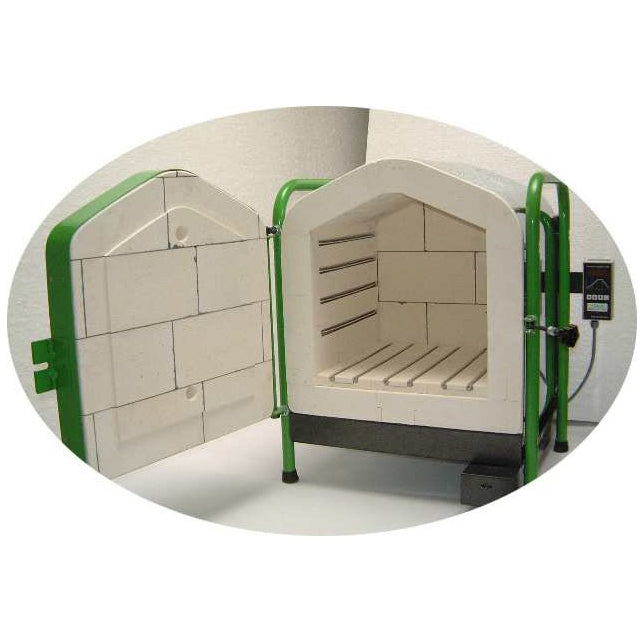
The type of kiln you have is also a determining factor. A high-temperature clay cannot be properly fired in a kiln limited to 1100°C.
Criteria to consider before choosing your clay
Before buying your clay, it is useful to think about several aspects of your project. The type of creation, the technique used, the maximum temperature of your kiln, the desired result, and your skill level will all directly influence your choice.
A very plastic clay will make working easier for beginners, while an experienced ceramicist may prefer a more technical clay such as porcelain. Similarly, a large sculpture will benefit from the qualities of a grogged clay, while a series of thrown bowls will often be made from smooth stoneware.
Taking a few minutes to define your needs will save you time and help you achieve better results from the very first firings.
Choosing the right clay with Ceradel
At Ceradel, you will find a wide selection of ceramic clays to meet the needs of both beginners and professionals. Our catalog includes earthenware, stoneware, porcelain, and many grogged clays suited for modeling, throwing, or Raku.
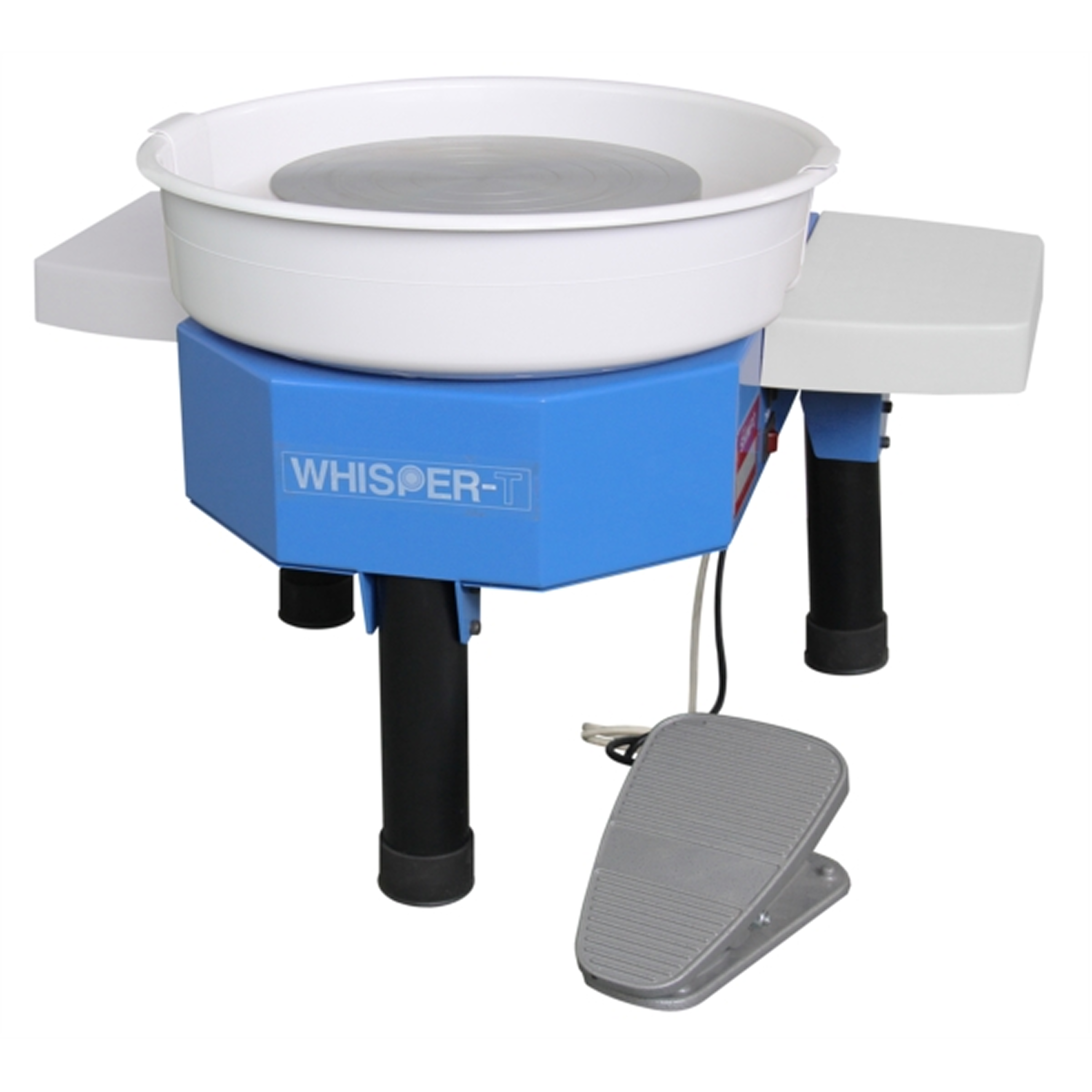
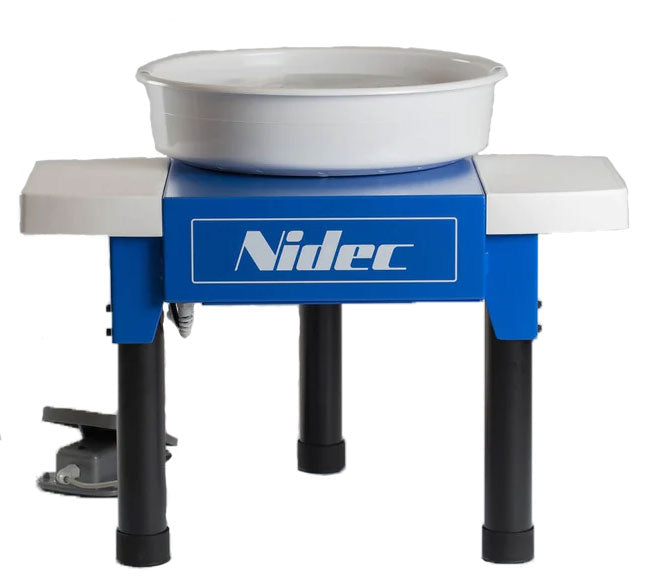
You can also complete your equipment with glazes, engobes, pottery tools, pottery wheels, ceramic kilns, and all the accessories needed to prepare and fire your creations.
If you are undecided between several options, feel free to consult the product pages or ask our team for advice so you can choose the clay best suited to your project.
Conclusion
There is no universal clay that can meet every need. The best clay is, above all, the one that suits your working style, your kiln, and the result you want to achieve.
Earthenware will appeal to beginners with its ease of use, stoneware will be perfect for functional pieces thanks to its strength, porcelain will offer a highly refined result, while grogged clays will be particularly suited to sculpture and large volumes.
By taking the time to understand the characteristics of each family of clays, you will be able to make an informed choice and fully enjoy all the possibilities offered by ceramics.